
Accent Wall Painting That Actually Transforms a Room
Most people mess up their first accent wall. They pick the wrong color, skip prep work, or use cheap paint. This guide walks you through exactly what we've learned after helping hundreds of homes in Latvia go from bland to beautiful.

Why Accent Walls Work (And Why Most People Get It Wrong)
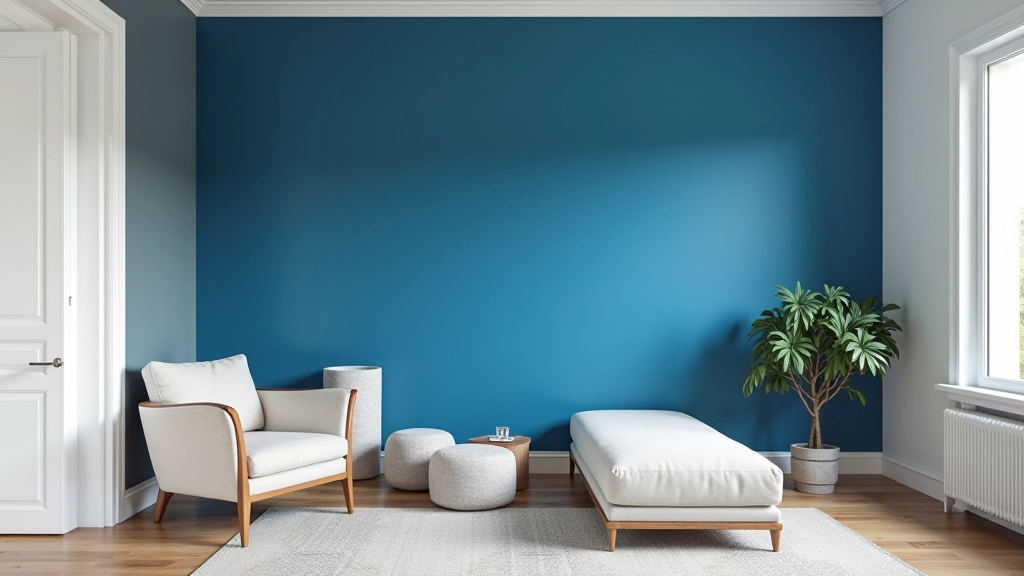
An accent wall doesn't just add color. It creates depth, draws your eye to the best part of a room, and makes everything else feel intentional. But here's the thing — you've got maybe one shot to get it right. Pick the wrong wall, choose a color that clashes, or skip surface prep, and you're looking at either repainting or living with it for years.
We've watched people spend three weekends on a project because they didn't prepare properly, or pick a beautiful color that somehow looked awful once it dried. It's not complicated, but there are definitely wrong ways to do it.
Picking Your Color (The Part That Actually Matters)
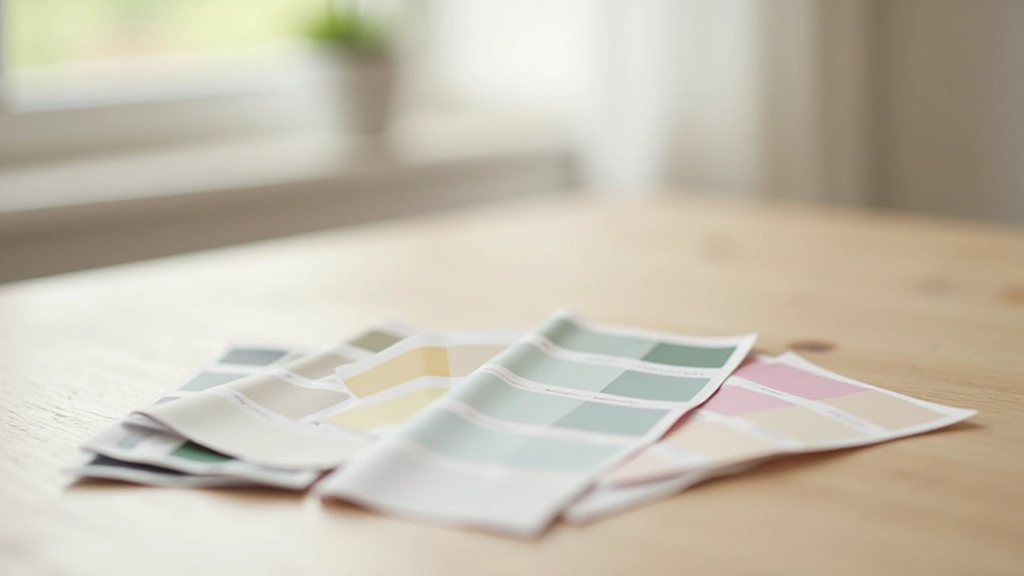
Don't just buy paint because it looks nice in a photo. Get sample pots — they're cheap and they save you from regret. Paint large swatches on your wall and live with them for 3-4 days. Watch how the color looks in morning light, afternoon light, and at night. Some colors shift dramatically depending on the time of day.
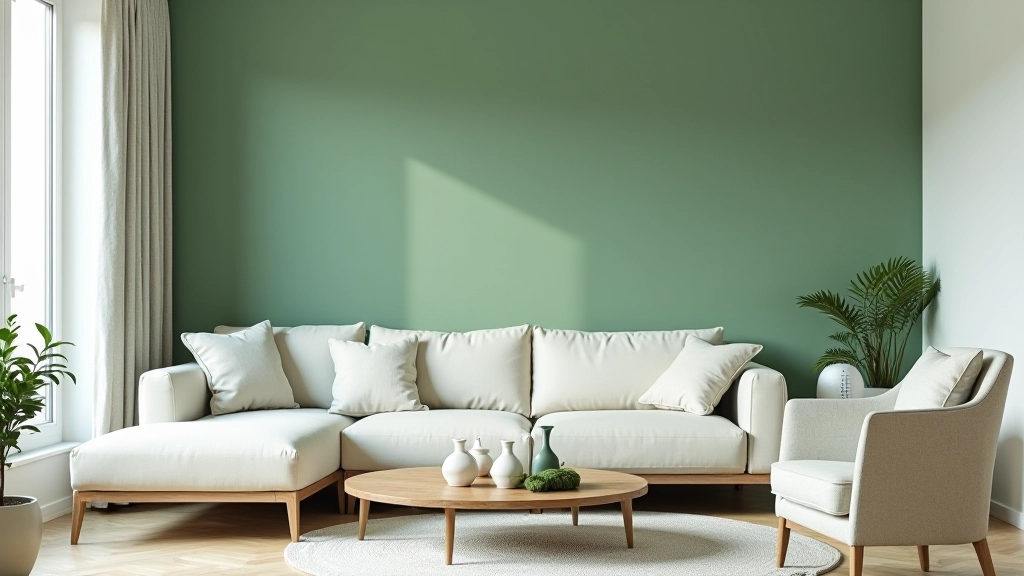
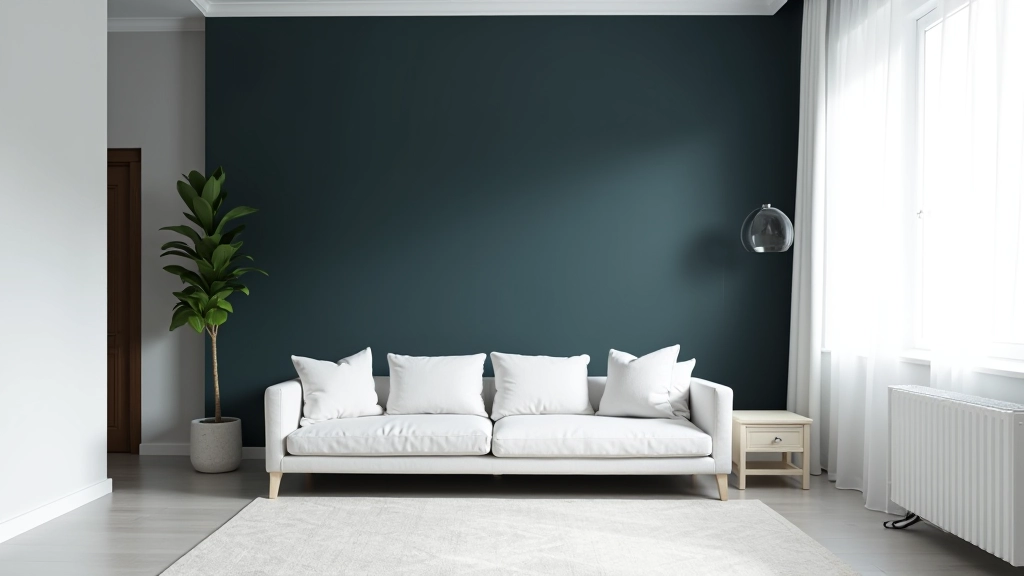
Consider your room's natural light. North-facing rooms are cool, so warm neutrals or jewel tones work better. South-facing rooms are already bright, so bolder colors like deep teal or charcoal can handle it. If you're in Latvia and working with older apartments like you find in Liepāja or Ventspils, test colors carefully — older windows and walls can surprise you.
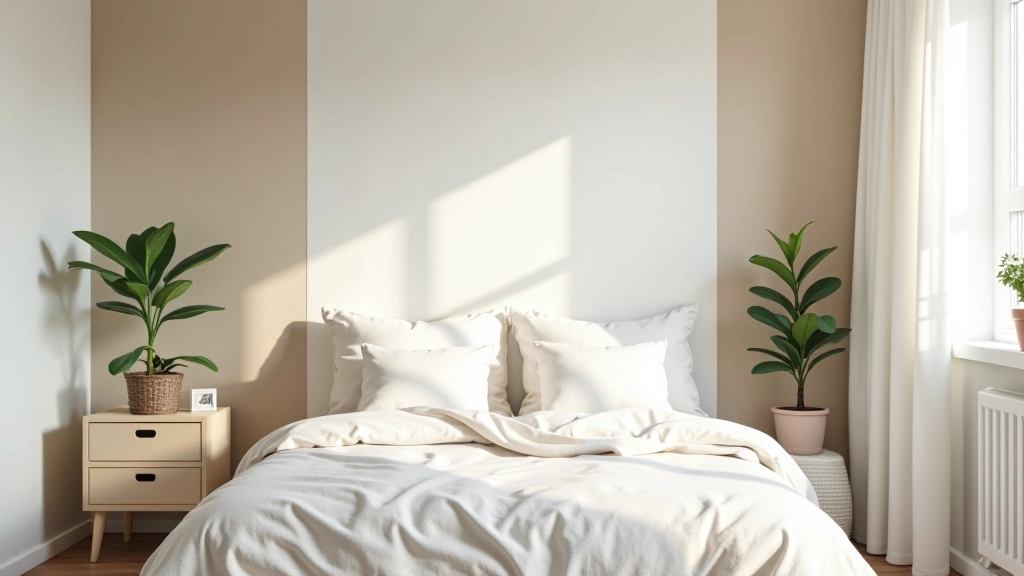
And here's a trick: lighter accent walls make rooms feel bigger. Darker walls create intimacy and drama. Neither is wrong — it's about what you want the space to feel like.
Choosing Which Wall (This Determines Success)
Most rooms have one obvious choice — the wall people see first when they enter, or the wall with a window that gets natural light. That's usually your best bet. Don't pick a wall just because it's easiest to paint. Pick it because it'll look good.
Avoid walls with a lot of outlets or light switches unless you really want to draw attention to them. And don't paint a wall that's covered in photos, shelves, or art — the accent wall should be the focal point, not compete with your stuff.
Pro tip: In small apartments, pick a wall that makes the space feel connected to the rest of your home. A dark accent wall in a bedroom can look cozy. That same wall in a tiny living room might make everything feel cramped.
A Note on Paint Quality and Preparation
This guide is educational and based on practical experience. Every room is different — lighting, wall condition, humidity, and existing paint affect results. If you're working with specialty paints, unusual surfaces, or historical apartments in Liepāja or Ventspils that might have older materials, test in a small area first. Paint quality matters more than quantity — cheap paint shows through, drips, and rarely gives you the finish you want.
Prep Work (Why It's Not Optional)
This is where most DIYers cut corners. They don't. You're going to see imperfections on an accent wall way more than you would on a neutral wall, especially with darker colors.
Start by clearing the wall completely. Move furniture, remove artwork, take down shelves if you can. Patch any holes with spackling compound and sand smooth once it's dry. Wash the wall with a damp cloth to remove dust and grime. This step alone changes everything — paint sticks better to clean surfaces.
Tape the edges where your accent wall meets other walls. Use good-quality painter's tape and press it down firmly so paint doesn't seep underneath. Run your fingernail along the edge to seal it properly. And here's something people forget: protect your floor and furniture. Drop cloths aren't just for professionals — one spill ruins hardwood or carpeting.

The Actual Painting (Technique Matters)
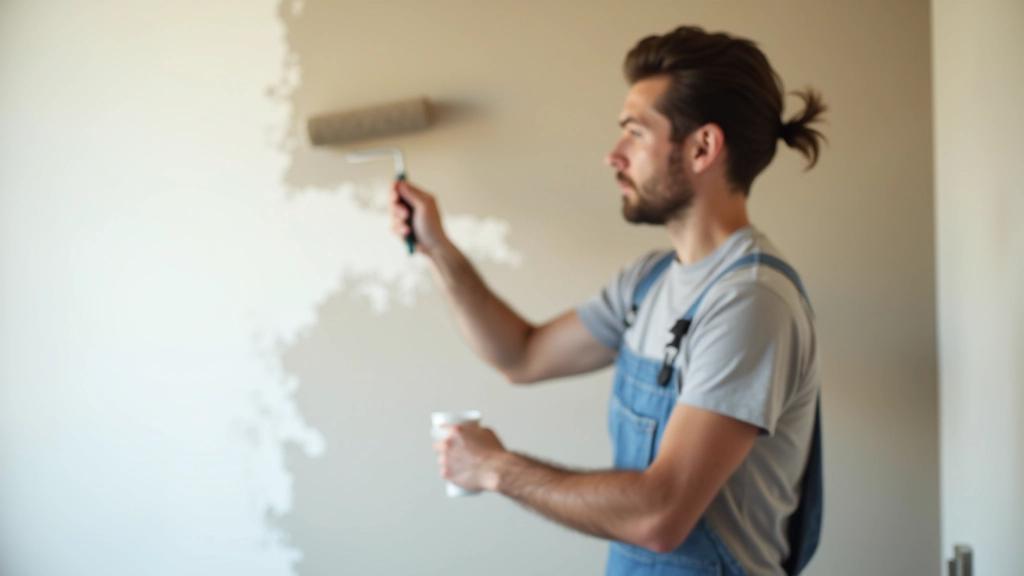
You'll want a good roller — not the cheapest one you find. A quality roller gives better coverage and doesn't leave as many streaks. Pour paint into a tray, roll your roller so it's evenly saturated (not dripping, not dry), and apply paint in overlapping W-shaped strokes. This distributes paint more evenly than straight lines.
Don't try to cover the whole wall in one coat. Most accent wall paints need two coats, especially darker colors. Let the first coat dry completely — usually 2-4 hours depending on humidity — before applying the second. Rushing this step means patchy, uneven color.
Use a brush for edges and corners, not a roller. Cut in around the taped edges first, then roll the main wall area. This prevents roller marks from showing at the edges and gives you a cleaner final result. Work in sections about 1 meter wide so you can blend wet edges before they dry.
Finishing Touches and Common Mistakes to Avoid
Let the paint cure for at least 24 hours before removing tape. Some people pull tape too early and the paint isn't fully set, causing peeling. When you do remove tape, pull it slowly at a 45-degree angle away from the wall — this prevents the paint from pulling away.
Stand back and look at your work in different light. You might notice thin spots that need a third coat, or areas where the color looks different than expected. This is normal. One more light coat can fix most issues. If you're not happy with the color after it's fully dry, that's okay — you can always paint over it or try a different accent wall somewhere else.
Real talk: Don't expect perfection your first time. Even with good prep and technique, there's a learning curve. But if you follow these steps — test your color, prep properly, use decent paint and tools, and apply two full coats — you'll end up with an accent wall you're actually proud of.
Continue Your Home Refresh
Ready to Transform Your Space?
Start with your accent wall and watch how it changes everything. Need guidance or want to explore other budget-friendly refresh options for your home in Latvia?
Get in Touch