
Furniture Rearrangement: Creating Better Flow Without Moving
Transform your living spaces by rearranging what you already own. We'll show you how to create better traffic flow, improve functionality, and make rooms feel larger — without buying anything new or hiring movers.

Why Furniture Arrangement Matters
You don't need to spend thousands of euros or live with cramped spaces. Sometimes the best home improvement is rearranging what you've already got. A sofa moved three feet to the left changes how you move through a room. A bed angled differently opens up floor space. These small shifts create a domino effect — suddenly the room feels bigger, easier to navigate, and genuinely more pleasant to live in.
The truth is, most people arrange their furniture once and never touch it again. They inherit a layout from whoever lived there before, or they set it up based on where the outlets are. But the best room layout depends on how you actually use that space — whether you're watching TV, entertaining guests, or just needing to move between rooms without obstacles.
Three Key Benefits
- Better traffic flow through rooms
- Rooms feel visually larger and less cluttered
- Improved functionality for how you actually live
Understanding Traffic Flow
Traffic flow is simply the path people naturally take when moving through a room. It's not complicated — it's just how you walk from the door to the kitchen, or from the entrance to where you sit. The problem is, furniture often blocks these natural paths, forcing people to squeeze around sofas or step over ottomans.
Here's what we're looking for: imagine drawing an invisible line from each doorway. That's where your main traffic lane should be. Furniture shouldn't block it. Secondary seating, side tables, and accent pieces can sit off to the sides. This isn't about making your room look like a furniture store showroom — it's about making it actually livable.
In a living room, you'll typically have one main traffic lane (entrance to other rooms) and secondary zones for sitting and relaxing. In a bedroom, it's simpler — the path from the door to your bed shouldn't require navigation skills. Once you identify these lanes, you've got the foundation for everything else.
The Float and Zone Method
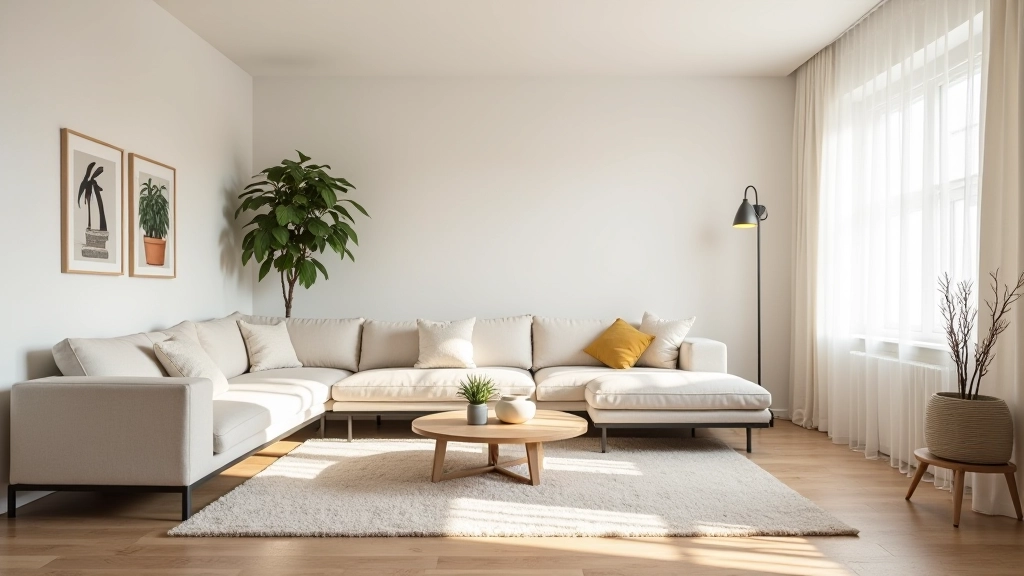
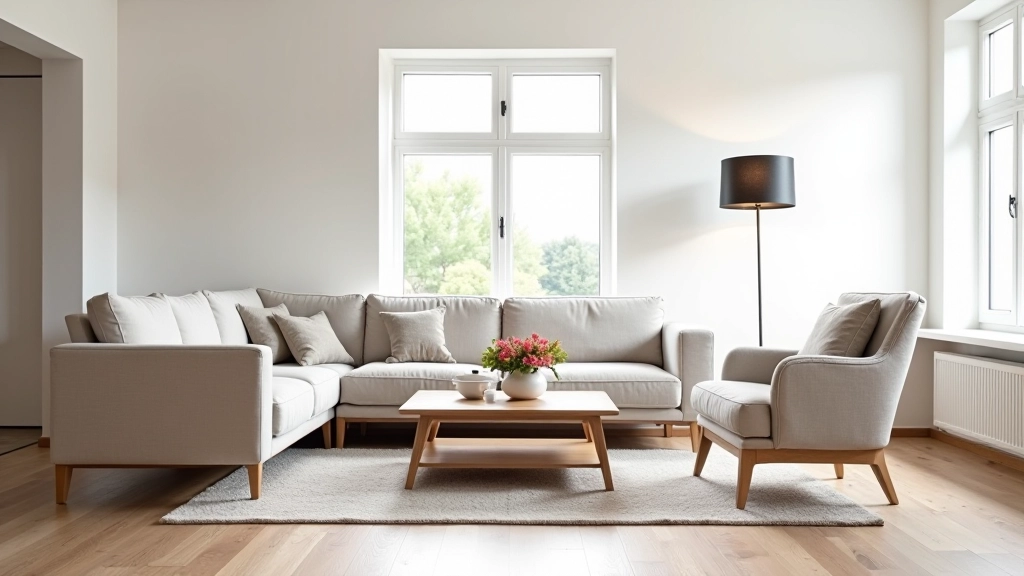
Most people push furniture against walls. It seems logical — more floor space, right? Actually, it's backwards. Floating furniture (placing pieces away from walls) creates intimate zones and makes rooms feel bigger. We're serious. A sofa pushed against a wall makes a room feel cramped. The same sofa floated in the middle creates a cozy conversation area and opens up the edges of the room.
Try this in a living room: move your sofa 2-3 feet away from the wall. Put a console table or small bookcase behind it. Arrange chairs opposite to create a conversation area. You've just created a defined living zone in the middle of the room, and the space around it feels more open. It sounds counterintuitive, but it works.
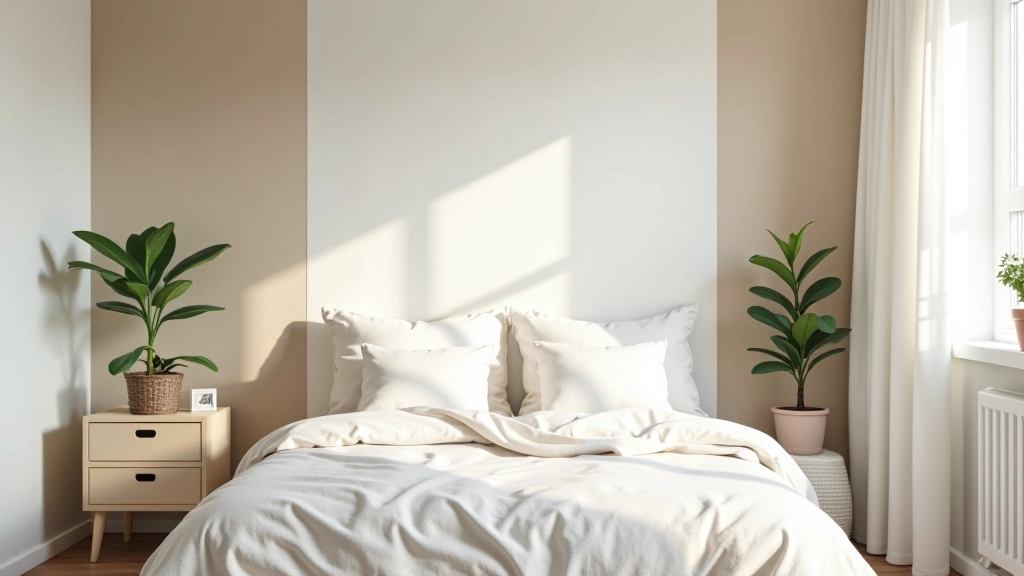
For bedrooms, floating the bed away from the wall creates a more luxurious feel and actually improves air circulation. In dining areas, floating the table lets you move around it easily. The key is having enough space — you need at least 18 inches behind floating pieces for walkways.
Related Reading

Measuring and Planning Before You Move
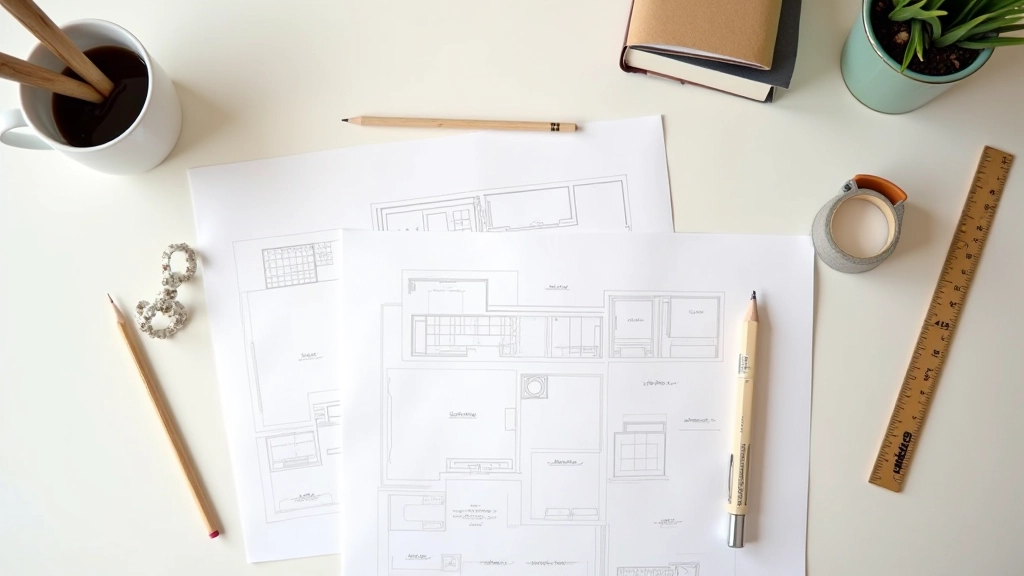
Before you start dragging furniture around, spend 10 minutes measuring. Seriously. Get your room dimensions, measure your major pieces (sofa, bed, dining table), and sketch it out on paper or use a simple room planner app. You don't need anything fancy — a pencil and graph paper works perfectly.
Measure doorways and windows too. You'll want to know if your sofa actually fits through the hallway before you've moved it halfway across the room. Note where outlets are, where light comes in from windows, and where you naturally gather in each space. These details matter more than you'd think.
Use painter's tape to mark out furniture placement on your floor. This takes 15 minutes and saves you from moving a 200-pound bookcase three times. Walk around your taped layout. Does the traffic flow feel natural? Can you sit comfortably? Are pathways wide enough? Make adjustments on the floor before moving anything heavy.

Making Small Rooms Feel Bigger
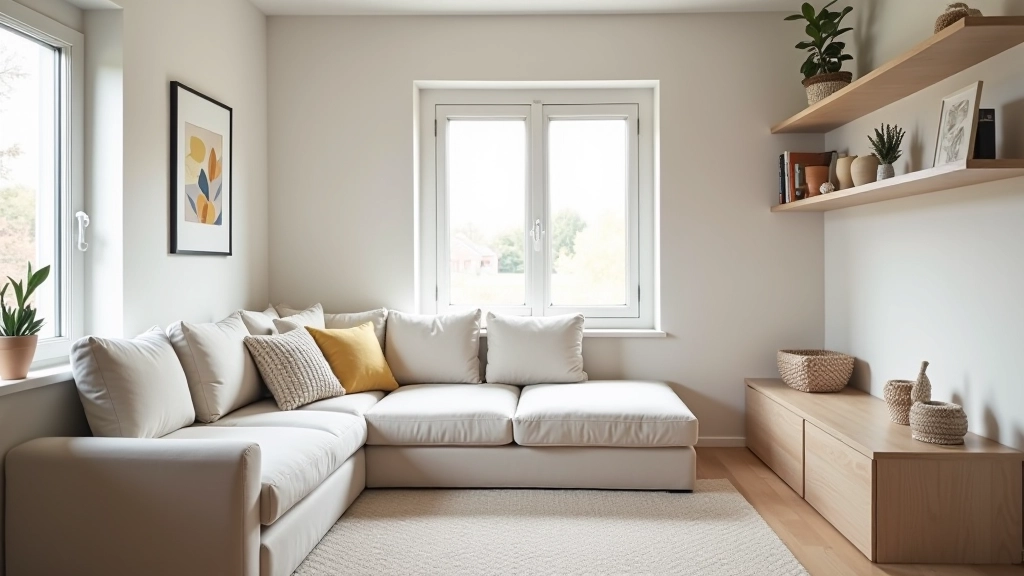
Small rooms need different strategies. Floating furniture works here too, but you're also dealing with limited space. Multi-functional pieces become essential — an ottoman with storage, a sofa bed, a table that expands. Don't cram pieces against walls hoping to save space. You'll actually create the opposite effect.
Keep your main seating to one side of the room, creating an open vista when you walk in. It's a psychological trick — your eye travels across empty space and the room feels bigger. A tall bookcase in a corner takes up less visual space than a wide, low dresser. Vertical storage is your friend in small rooms.
In Latvian homes with smaller rooms, this matters. A bedroom might be 3 by 4 meters. A living room could be tight. But we've seen it done — a carefully arranged 30 square meter living room can feel spacious and functional when furniture is positioned right. It's not magic, it's just geometry and understanding how people move through space.
A Note on Safety and Moving
This article provides general guidance on furniture arrangement principles. When moving heavy furniture, take proper precautions to avoid injury. Use furniture sliders on hardwood floors to prevent damage. If you're moving large or heavy pieces, consider asking for help or hiring professional movers. Rearrangement should improve your space — not injure you or damage your home.
Your Next Step: The Simple Rearrange
You don't need to do a complete overhaul. Start small. Pick one room — probably your living room since that's where you spend the most time. Measure it, sketch it, use painter's tape, and try floating one piece of furniture. Walk through the space. Sit in different spots. Notice how light falls. See if traffic feels better.
Rearrangement is free. It's reversible. If it doesn't work, you can move everything back. But most people who try this simple exercise find that even one change transforms how they experience their home. Rooms feel bigger. Movement is easier. It just works better.
That's the whole point. Your home should fit how you live, not the other way around. Start today with one room. We think you'll be surprised at what a difference it makes.